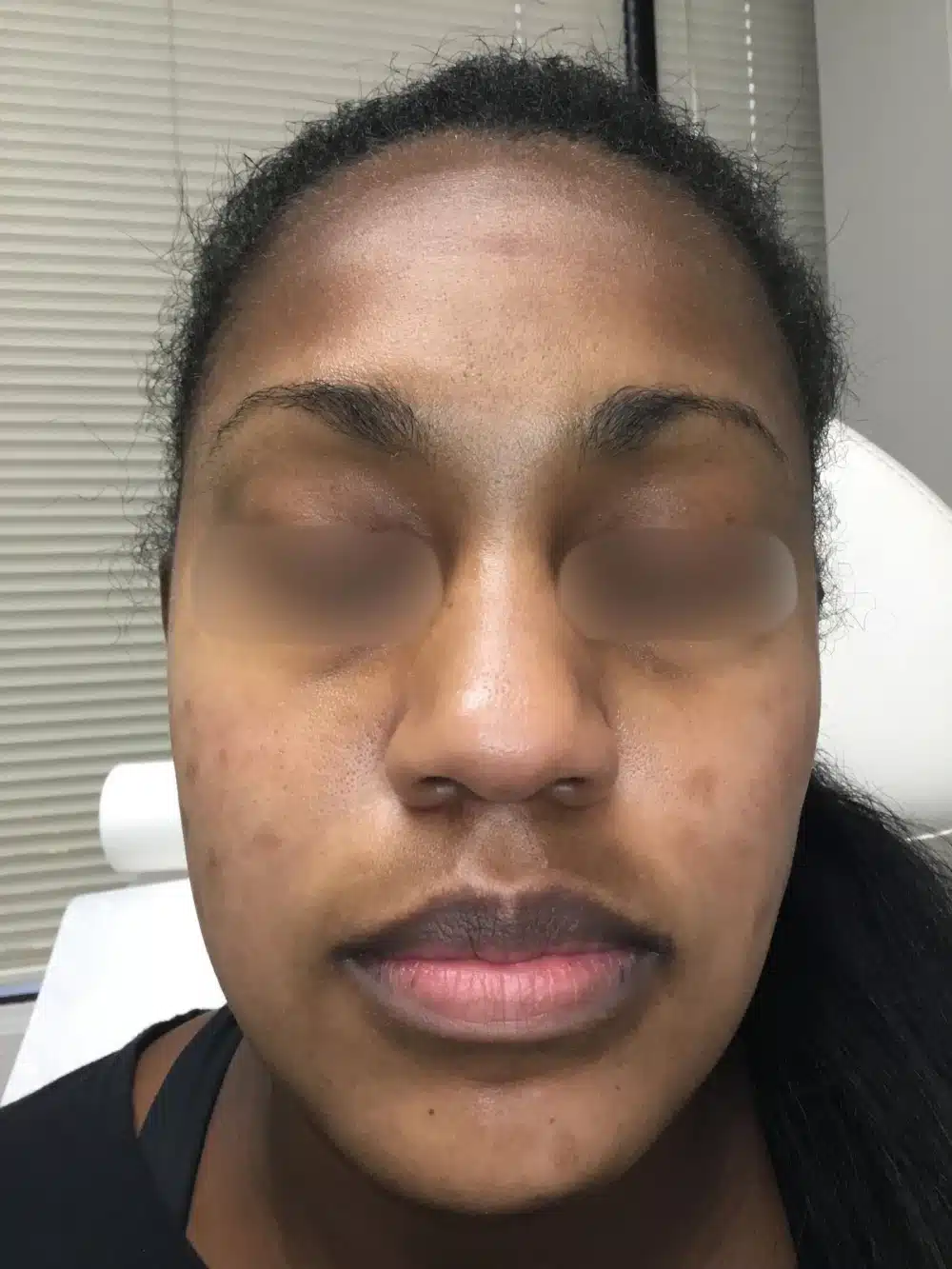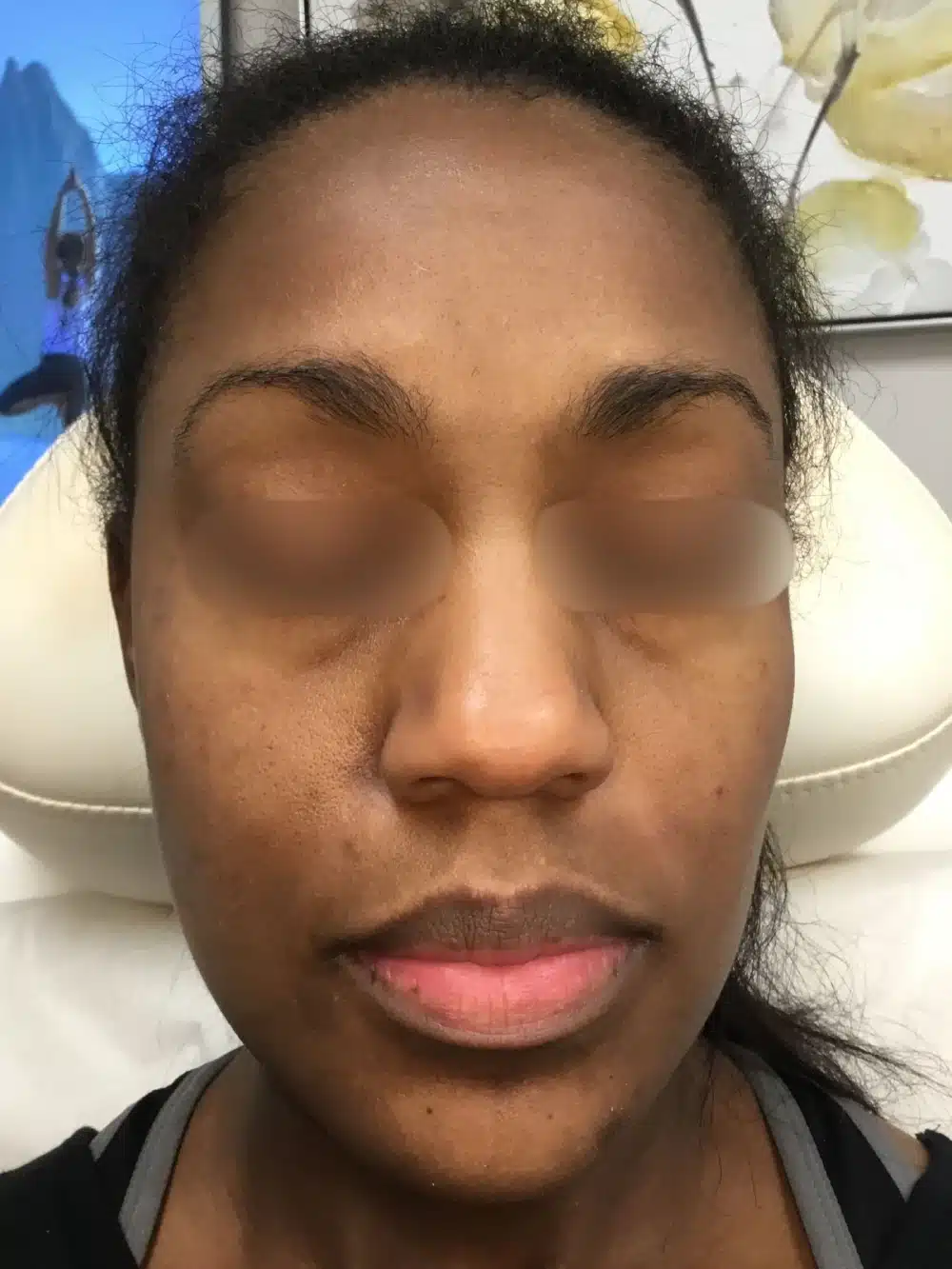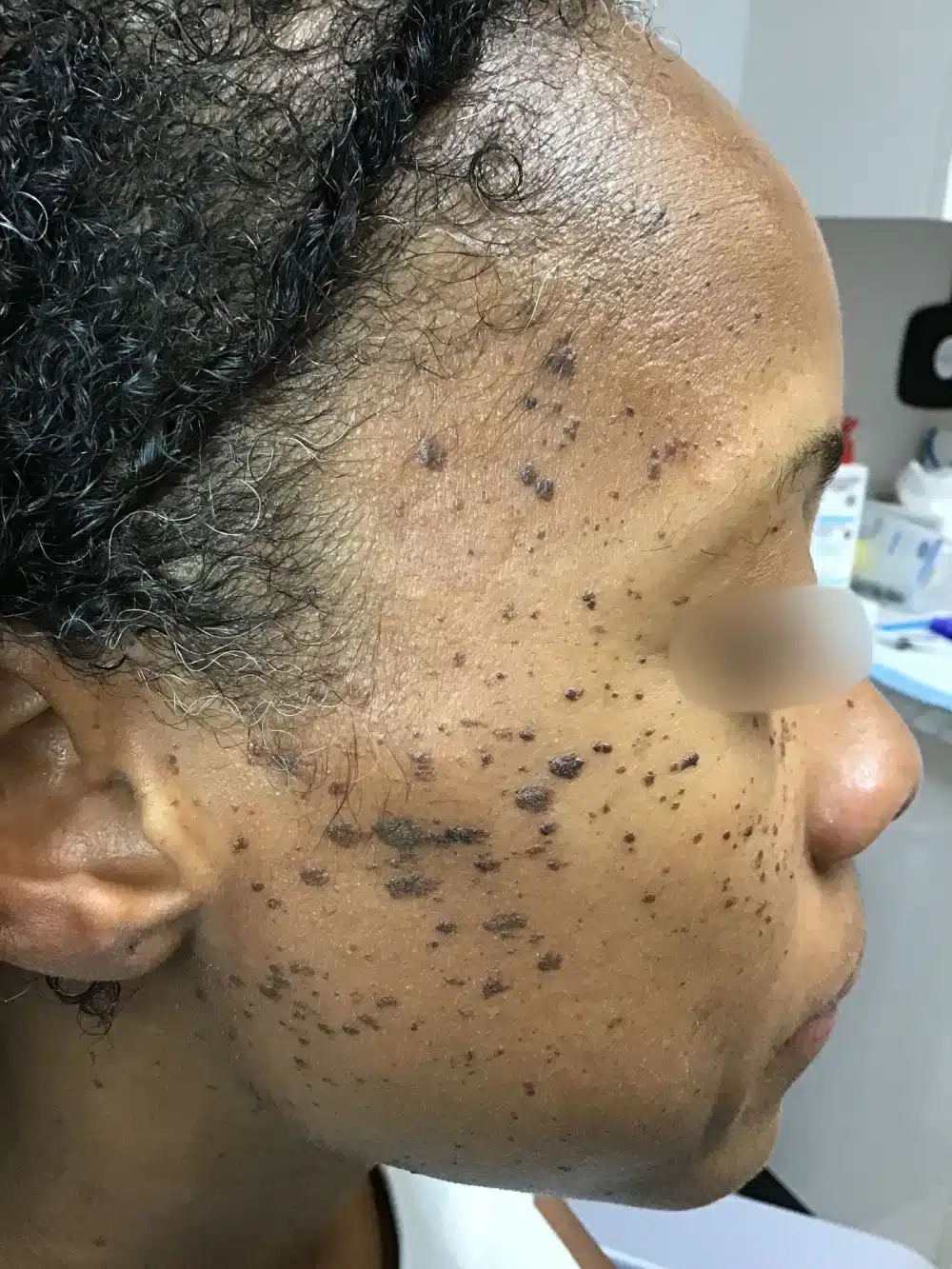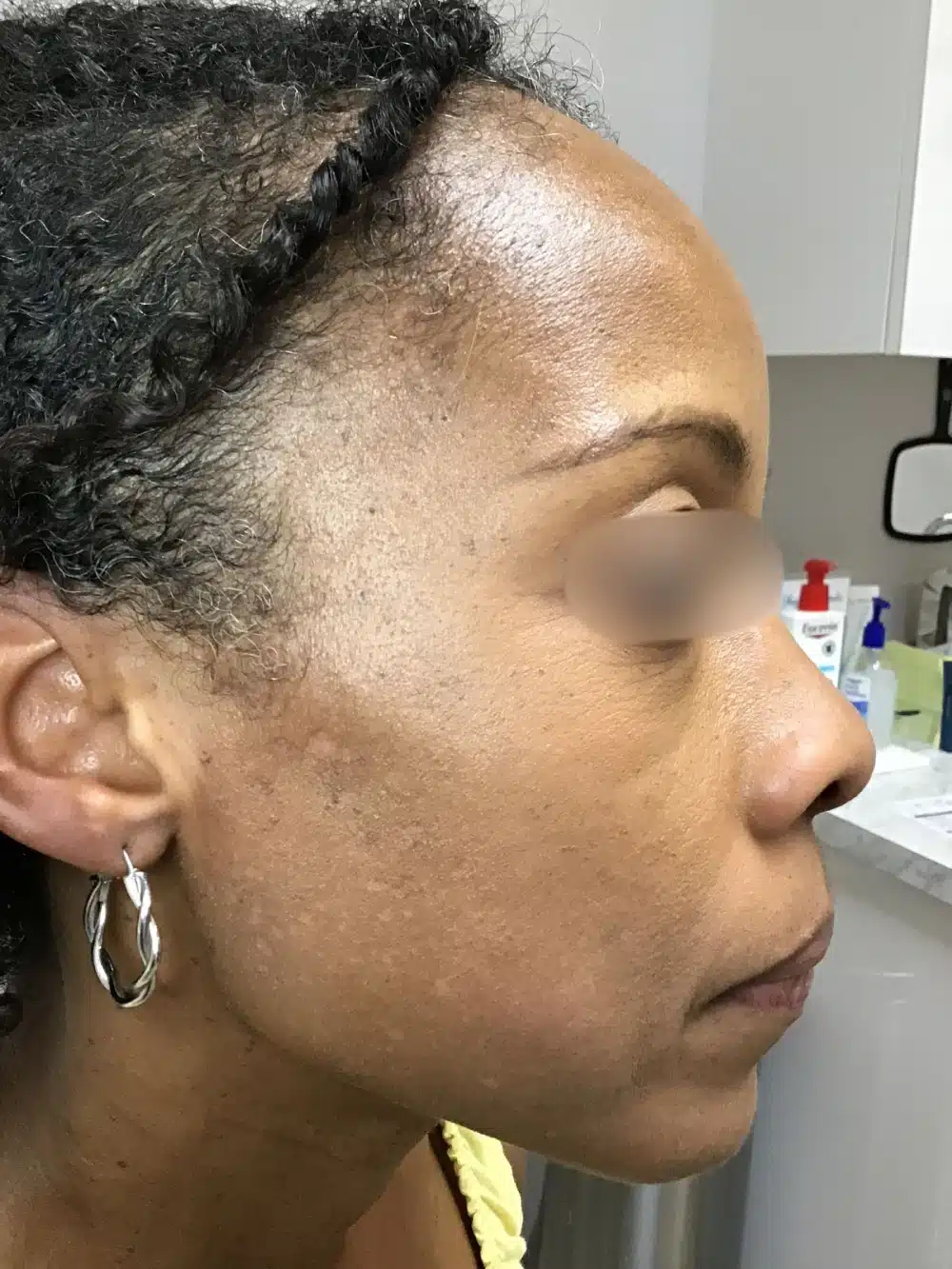

Dr. Saya Obayan understands that there are many different skin types as well as the different skin conditions affecting people with darker skin tones and treats patients within the Austin Area.
Skin of color focuses on people with a variety of skin tones and it is important to understand and cater to a variety of populations given the disproportionate effects of skin problems faced by people of color. Examples of populations of Skin of Color include Black/African descent, Hispanics/Latin American descent, Asians, Indians, Middle Eastern. People of color have higher melanin content within their skin which while shielding them from harsh effects of the sun they are more susceptible conditions such as hyperpigmentation and in lower temperature seasons lower vitamin D production.
11615 Angus Rd Ste 203, Austin, TX 78759
The most common skin conditions affecting particularly people of color include:
Given the varied skin conditions affecting people of color, Dr. Obayan will work with you to craft a unique treatment plan. She will consider many factors beyond just skin tone such as lifestyle, diet, and family history to ensure that you get the most effective treatment. As a dermatologist in Austin, Dr. Obayan understands the unique challenges that are experienced by individuals of color and has extensive experience working with many ethnic patients and ensuring you or your loved ones will be well taken care of.
Dr. Saya Obayan is a board-certified dermatologist with who is located in the heart of north Austin, she specializes in the treatment of people with skin of color and is understanding and sensitive of the issues faced by people with ethnic skin. whether you are African American, Indian or Hispanic or any person of color, we welcome you to set up an appointment at our north Austin office for an assessment. She is also the first black dermatologist in Austin and has been recognized as leading African American dermatologist in Austin. She is a finalist for Austin’s 40 Under 40.
Although dark skin has high levels of sun protection from melanin this does not make them immune to the effects of the sun. The effects instead are experienced over a longer period of time and the risk of skin cancer is also present. So it is still essential to apply sunscreen as part of your skin care regimen. People with darker skin tones also have higher serum production which causes natural moisturization, however additional self-care is essential to fight the drying of the skin and early wrinkle formation for the longer term. In other words, moisturization will lengthen your wrinkle-free skin and Dr. Obayan understands the essential steps which are required to cultivate beautiful and healthy looking skin.
Skin of color encompasses a wide range of ethnicities and complexions — including patients of African, Latin American, Asian, Middle Eastern, and mixed descent — each with unique characteristics in how skin responds to inflammation, injury, and treatment. Higher melanin activity in darker skin tones can mean greater risk of hyperpigmentation, scarring, or uneven results when standard treatments are applied without the right expertise. Dr. Saya trained specifically in diverse skin types and tones and brings that experience to every patient, regardless of their background or complexion.
The most common concerns include post-inflammatory hyperpigmentation, melasma, keloids and hypertrophic scarring, central centrifugal cicatricial alopecia (CCCA), folliculitis keloidalis, and acne in oily or combination skin. Dr. Saya has specific training and experience diagnosing and treating all of these accurately across a wide range of skin tones.
Many are, when performed by someone with expertise in skin of color. Dr. Saya uses laser protocols specifically calibrated for melanin-rich skin to minimize the risk of hyperpigmentation, burns, or scarring that can result from poorly matched treatments.