
Spring is synonymous with renewal and your skin deserves the same fresh start. Chemical peels are one of dermatology’s most versatile and time-tested tools for resurfacing, brightening, and rejuvenating the skin. If you’ve been curious about peels but not sure where to start, April is an ideal time to explore your options.
How a Chemical Peel Actually Resets Your Skin
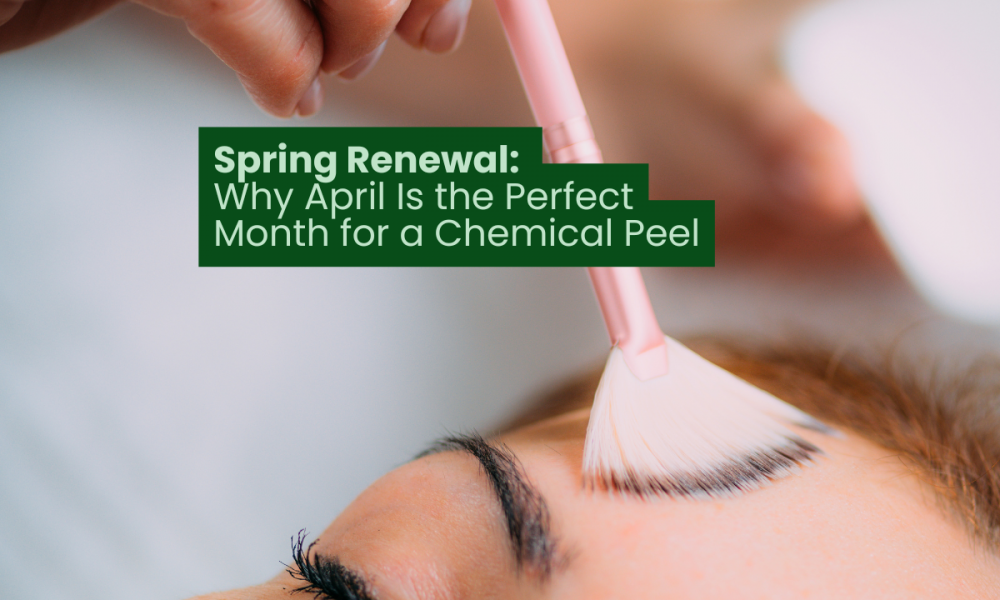
A chemical peel uses a carefully selected acid solution, applied directly to the skin, to loosen and remove the outermost layers of dead and damaged skin cells. As the treated skin peels away over the following days, it reveals newer, fresher skin underneath.
Depending on the depth of the peel and the acids used, a chemical peel can address everything from uneven texture and dull complexion to hyperpigmentation, acne scars, fine lines, and sun damage.
Think of a chemical peel as a reset button for your skin, clearing away the accumulation of winter months and sun damage to reveal a clearer, more radiant complexion underneath.
“Dr. Obayan is an excellent dermatologist. She is smart, well trained and an excellent listener. She takes the time to be with you during your appointment and is a superb communicator. I recommend Dr. Obayan 100 percent.”
— Christina S. (Verified Google Review)
Superficial, Medium, and Deep Peels: Matching the Treatment to the Concern
Superficial Peels: Maximum Glow, Minimal Downtime
Superficial peels use mild acids like alpha-hydroxy acids (AHAs), such as glycolic or lactic acid, to gently exfoliate only the outermost layer of skin. There’s minimal downtime, and most patients can return to their day immediately. These peels are excellent for brightening dull skin, smoothing rough texture, and maintaining results between deeper treatments.
Medium-Depth Peels: Addressing Sun Damage, Pigmentation, and Early Scarring
Medium-depth peels, often using trichloroacetic acid (TCA), penetrate more deeply into the skin to address sun damage, uneven pigmentation, acne scarring, and fine lines. Some redness and peeling over several days is expected, but the results are more dramatic and longer-lasting.
Deep Peels: For Significant Wrinkles and Severe Sun Damage
Deep peels, such as phenol peels, reach the deeper layers of the dermis and produce significant improvement in deeper wrinkles and severe sun damage. These require more recovery time and careful patient selection, and are performed under the guidance of a board-certified dermatologist.
Three Reasons April Is the Ideal Month to Schedule a Chemical Peel
Lower UV intensity. Post-peel skin is temporarily more sensitive to sun exposure. April’s milder sun compared to peak summer makes it easier to protect your investment and avoid post-inflammatory hyperpigmentation, especially important for patients with darker skin tones.
Address winter damage. Winter weather can leave skin dull, dry, and uneven. A spring peel is the ideal way to clear that slate and put your best face forward heading into the warmer months.
Comfortable recovery conditions. Cooler spring temperatures are gentler on healing skin than the intense Austin summer heat.
Schedule your consultation with Dr. Obayan for a personalized plan designed around your unique skin goals.
What Skin Concerns Respond Best to Chemical Peels
Chemical peels at Nature of Skin are customized to each patient’s skin concerns and goals. We commonly use peels to address:
- Uneven skin tone and hyperpigmentation
- Post-acne marks and mild acne scarring
- Melasma and sun-induced dark spots
- Dull or rough skin texture
- Fine lines and early signs of aging
- Active acne and congested pores
Why Chemical Peels for Skin of Color Require a Specialist’s Hand
Chemical peels require particular care and expertise when treating patients with deeper skin tones. Certain acids and peel depths carry a higher risk of triggering post-inflammatory hyperpigmentation (PIH) in melanin-rich skin if not properly selected and monitored.
At Nature of Skin, Dr. Obayan has specialized training in treating skin of color. Every peel protocol is carefully chosen with your specific skin tone and concerns in mind, ensuring you get the most benefit with the lowest risk.
From Appointment to Afterglow: What the Experience Looks Like
Most chemical peel treatments take between 30 and 60 minutes. During the procedure, you may feel a mild tingling or warming sensation. Depending on the peel depth, you can expect anywhere from subtle flaking over a few days to more noticeable peeling over a week. Your skin will be more sensitive to light afterward, so diligent sunscreen use is essential.
The best chemical peel is the one designed for your specific skin. There is no one-size-fits-all approach and that philosophy is at the heart of everything we do at Nature of Skin.
Schedule your visit with Dr. Obayan and walk away with a treatment plan built around your skin: not a template.
Book An Appointment